
Emotional Spiritual
Care & Chaplaincy
Caring for the Whole Person in the Aftermath of Disaster
Disasters leave more than debris. They leave people carrying grief they can’t yet put into words.
The Emotional Spiritual Care and Chaplaincy Program will train you to sit with survivors in that grief, offering a steady presence, a listening ear, and spiritual encouragement in life’s darkest moments.
Every Reservist learns the basics of Emotional and Spiritual Care, but our ESC providers and Chaplains are trained to skillfully and sensitively walk with the hurting. Keep scrolling to learn more about these training tracks.
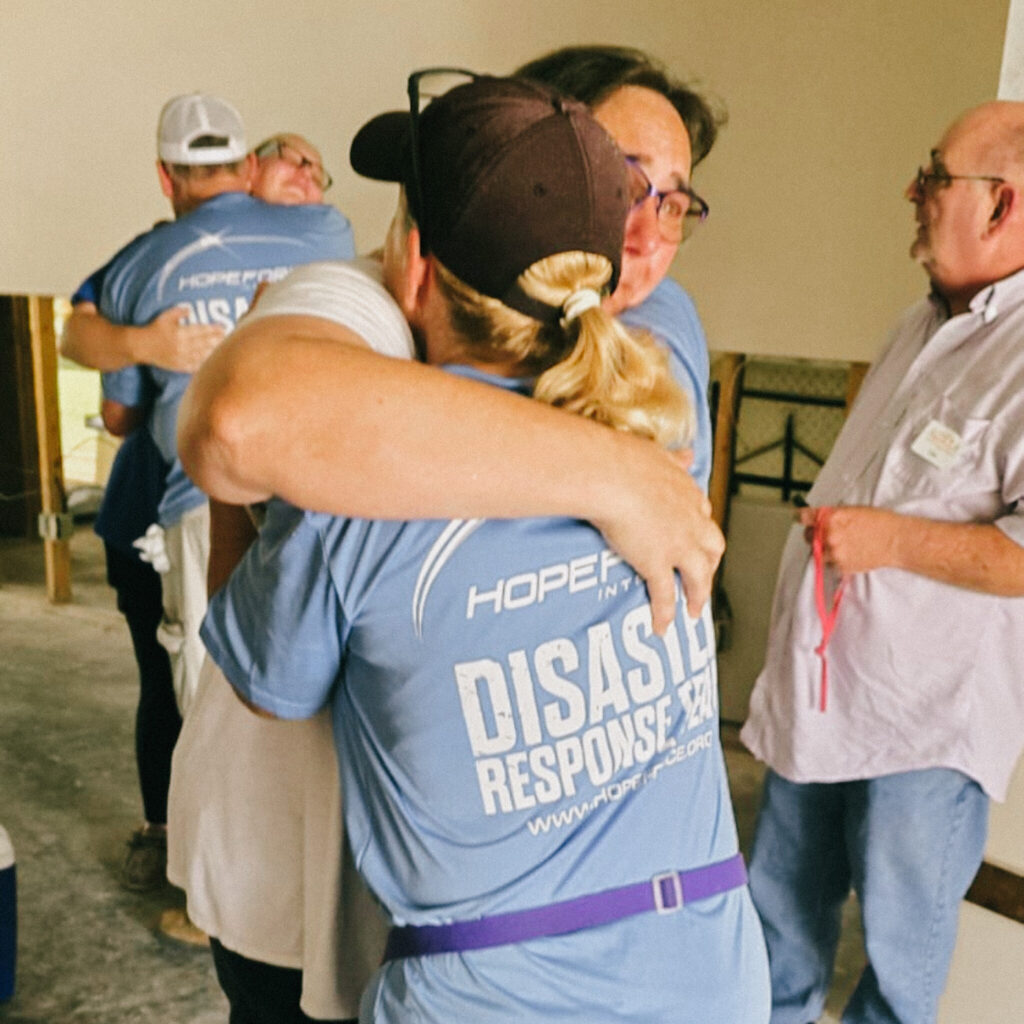
What Is Emotional & Spiritual Care?
At Hope Force, we believe caring well for people means recognizing both the practical needs created by disaster and the impact disaster has on the heart.
Emotional & Spiritual Care (ESC) is not counseling or therapy. It is the intentionality of coming alongside people, listening to their stories, offering compassionate support, and providing prayer and spiritual care when appropriate.
This begins with what we call the Ministry of Presence—being willing to simply be with someone in the midst of pain, loss and uncertainty.
Every Hope Force Reservist is encouraged to practice the Ministry of Presence. Some Reservists feel called and gifted to go further by receiving additional training to serve specifically as an Emotional & Spiritual Care Provider or Chaplain.
What do ESC Providers & Chaplains do?
- Listen to survivors' stories and offer the ministry of presence
- Pray with those who are hurting and need God's help
- Talk with survivors and offer the hope and love of Jesus
ESC & Chaplain Training Requirements
Everyone on our team begins as a Hope Force Reservist. Then, ESC Providers receive further training, and Chaplains complete the full ESC Provider track first, then add chaplain-specific credentials.
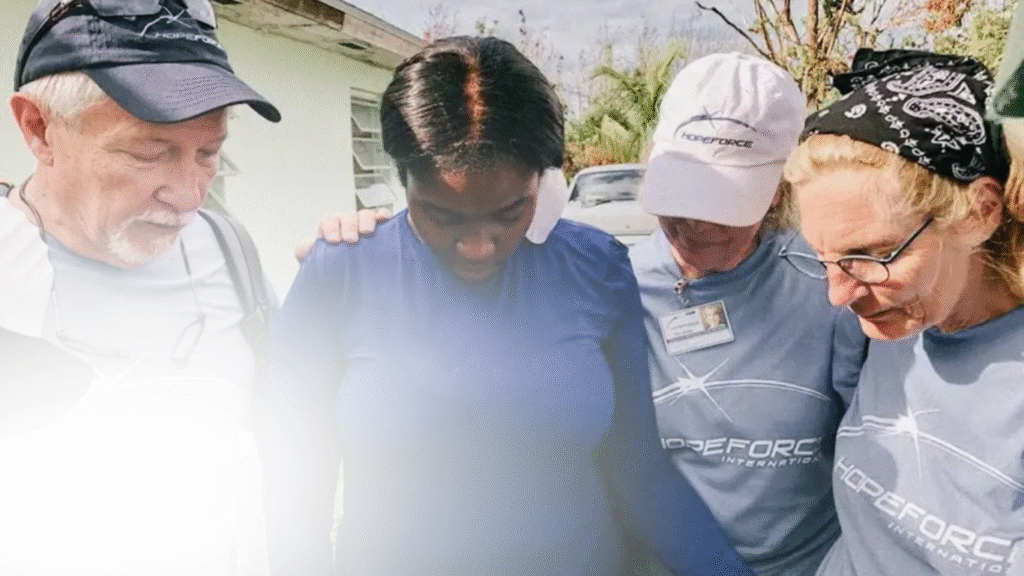
ESC Provider
ESC Providers receive specialized training to care for disaster survivors and fellow responders. You do not have to be a Chaplain to become an Emotional & Spiritual Care Provider.
What is an ESC provider?
An Emotional & Spiritual Care (ESC) Provider provides compassionate emotional and spiritual support to disaster survivors, reservists, and staff while serving alongside Hope Force teams in the field.
How do I become an ESC Provider?
The ESC pathway combines Hope Force training, ESC-specific courses, and supervised field experience. You do not need to complete every ESC course before your first deployment. Some of your development happens in the field as you serve alongside and learn from experienced ESC Providers
What's the step-by-step ESC training path?
- Become a Hope Force Reservist
Complete Hope Force’s foundational disaster response training and Reservist requirements. - Gain Disaster Response Experience
Develop an understanding of Hope Force’s culture, approach to serving survivors and the realities of a disaster environment. - Complete ESC Training
Participate in Hope Force’s specialized Emotional & Spiritual Care training. - Complete ESC Provider Requirements
Meet the additional requirements established for those serving specifically in an ESC role. - Serve as an ESC Provider
Once approved, serve as part of Hope Force’s Emotional & Spiritual Care team during qualifying responses and other ministry opportunities.
What will I actually do as an ESC Provider on a deployment?
ESC Providers serve with a ministry-of-presence posture, listening to and supporting people experiencing crisis, praying with survivors and team members, participating in team debriefs, helping identify individuals who may need additional support, and serving alongside the disaster-response team.
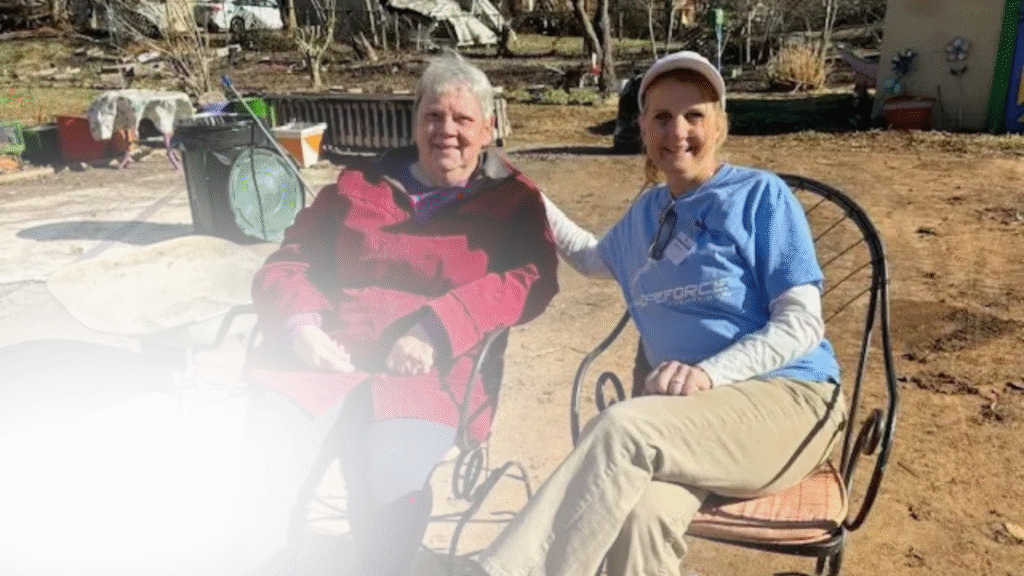
Chaplain
Hope Force Chaplains are Emotional & Spiritual Care Providers who bring additional ministry preparation, experience and qualifications to the disaster environment.
What is a Hope Force Chaplain?
A Chaplain is an ESC provider who has additional training, field leadership experience, Chaplain supervision, Critical Incident Stress Management (CISM) training, and an outside ministry license.
How do I become a Chaplain?
The Chaplain pathway builds upon the ESC pathway. Chaplains complete additional training and supervised field leadership experience and meet Hope Force’s Chaplain requirements, including CISM training and an outside ministry license.
What's the step-by-step Chaplain training path?
- Become a Hope Force Reservist
- Complete Emotional & Spiritual Care Training
- Gain Relevant Ministry and Disaster Response Experience
- Meet Hope Force Chaplain Qualifications
Complete the additional education, ministry experience, credentialing and/or other requirements established for Hope Force Chaplains. - Complete the Chaplain Application and Approval Process
- Serve as a Hope Force Chaplain
Approved Chaplains may serve in chaplaincy roles during Hope Force responses and other ministry opportunities.
Why does a Chaplain need additional field experience as a leader?
A Chaplain carries additional responsibility for supporting the spiritual and emotional well-being of the team while also working within the leadership structure of a deployment. Additional field leadership experience helps prepare Chaplains to provide care, guidance, and support in the realities of a disaster-response environment.
Which path is right for me?
You don’t have to be a pastor or professional Chaplain to care deeply for people affected by disaster.
If you have a heart for people, are a good listener, and feel called to come alongside people during difficult circumstances, becoming an Emotional & Spiritual Care Provider may be an opportunity for you.
If you already have significant ministry, pastoral, or chaplaincy experience and meet Hope Force’s additional qualifications, you may want to pursue becoming a Hope Force Chaplain.
Both roles are an important part of Hope Force’s commitment to care for people with compassion, competency, and character.
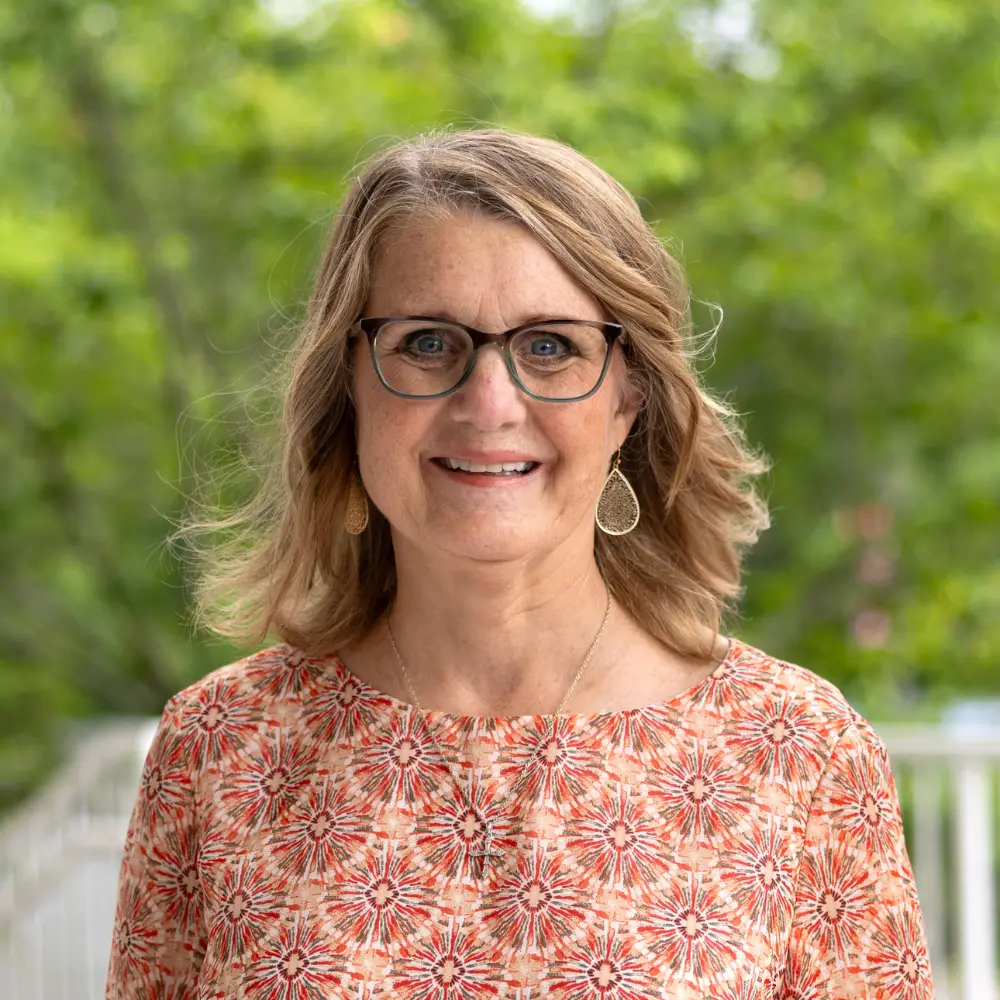
Meet Senior Chaplain Susan Cress
Susan joined the Hope Force family in 2020 as a Reservist and Chaplain. Now, she leads the charge in organizing, recruiting, training, and deploying emotional and spiritual caregivers. Her work helps ensure that our teams share God’s love and hope with sensitive care on deployments.
“I love working with Hope Force because they serve those underserved or overlooked. While the media focuses on those with resources, Hope Force intentionally helps those struggling before and after storms.” -Susan
FREQUENTLY ASKED QUESTIONS
If you don’t find what you’re looking for, email us at info@hopeforce.org.
Why is field experience required?
Classroom training provides knowledge, but field experience provides the opportunity to apply that knowledge in an actual disaster-response environment while being mentored and supervised by an experienced ESC Provider.
Why are CISM courses required for Chaplains?
CISM (Critical Incident Stress Management) training equips Chaplains with additional tools for responding to individuals and groups following critical incidents and traumatic events.
Does completing the ESC requirements automatically make me a Chaplain?
No. ESC certification and Chaplain credentialing are separate levels of preparation and responsibility.
Will I always serve as an ESC Provider when I deploy?
No. Hope Force team members serve wherever they are most needed. Depending on the deployment, you may serve specifically in an ESC role or alongside the broader response team, which may include physical work. Your role will depend on your training, certification, experience, and the needs of the deployment.
What if I don't feel ready to serve in an ESC role in the field?
That’s exactly why supervised field experience is part of the pathway. You will have the opportunity to learn alongside experienced ESC Providers, apply what you’ve learned, ask questions, and grow in confidence and competence before taking on greater responsibility.
Can I serve as an ESC Provider if I am not a professional counselor or mental-health professional?
Yes. ESC is not intended to replace professional mental-health care. ESC Providers provide compassionate presence, listening, spiritual support, prayer, and appropriate referral when professional care is needed.
What happens if someone needs more help than I can provide?
ESC Providers are not expected to diagnose or treat mental-health conditions. They should recognize when additional care is needed and follow Hope Force protocols for appropriate referral or escalation.
How do I know whether the ESC or Chaplain pathway is right for me?
Both pathways are opportunities to serve through emotional and spiritual care, but becoming a Chaplain is not simply the next step for everyone. The Chaplain role carries additional training, leadership, and ministry responsibilities. As you complete training and gain field experience, Hope Force leaders can help you discern the role that best fits your calling, gifts, experience, and readiness.
Do I need previous disaster-response experience to apply?
No. Previous experience is helpful, but the ESC training and supervised field experience are designed to equip you for this ministry.
Is ESC or Chaplain training free?
No, becoming an ESC Provider or Chaplain will be an investment of both time and money, although several required courses in these training tracks are free. See the full list of required courses here.
Do I have to be a Reservist before I can start the ESC or Chaplain training?
Yes, we ask that all of our ESC Providers and Chaplains be trained as Hope Force Reservists and be familiar with our culture of care and faith-based values before applying to the ESC Program.
Do I have to be a Christian to become an ESC Provider or Chaplain.
Because Hope Force is a faith-based organization, we ask that our ESC Providers and Chaplains align with our Christian values. HFI stresses the importance of the relational, emotional, and spiritual aspects of caring for the hurting, and we strive to share the love of Christ in every interaction.
Do I have to take all of the courses before I can deploy?
No. You do need to complete the required Hope Force training before deploying, but your ESC-specific courses can be completed as you progress through the pathway. Supervised field experience is an important part of your ESC development.
Can courses I have already taken count toward ESC certification?
Potentially. If you have already completed relevant training, submit your certificates for review so Hope Force can determine whether they meet the requirements.
What is the heart of ESC ministry?
ESC is first and foremost a ministry of presence. We come alongside people in the midst of difficult circumstances, listen to their stories, offer compassion and hope, pray when welcomed, and walk with them through the crisis. We don’t come with all the answers—we come prepared to be present, listen well, and demonstrate the love of Christ one person at a time.
Who will I report to on a deployment?
ESC Providers serve within the Hope Force deployment structure and work closely with the Incident Commander, team leaders, and other ESC/Chaplain personnel.
Ready to Take the Next Step?
We're excited for you to join the ranks of our ESC Providers or Chaplains! If you're ready to start your training, click below.
Hope In Action Newsletter
Never miss a chance to give, go or pray to help disaster survivors around the world.
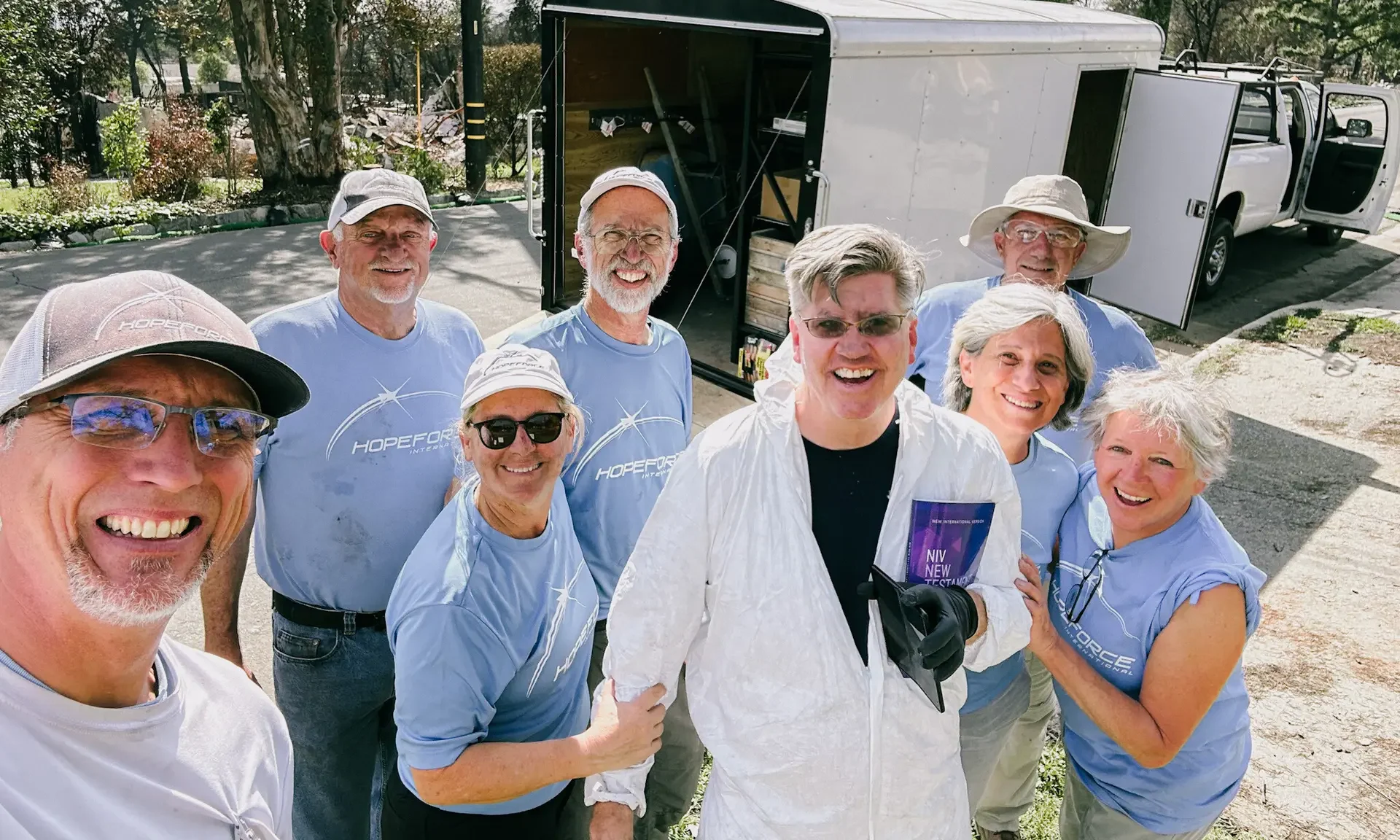
Stories From the Field
Here are stories about what’s currently happening and your best way to stay in-the-know of our efforts to help those in need.
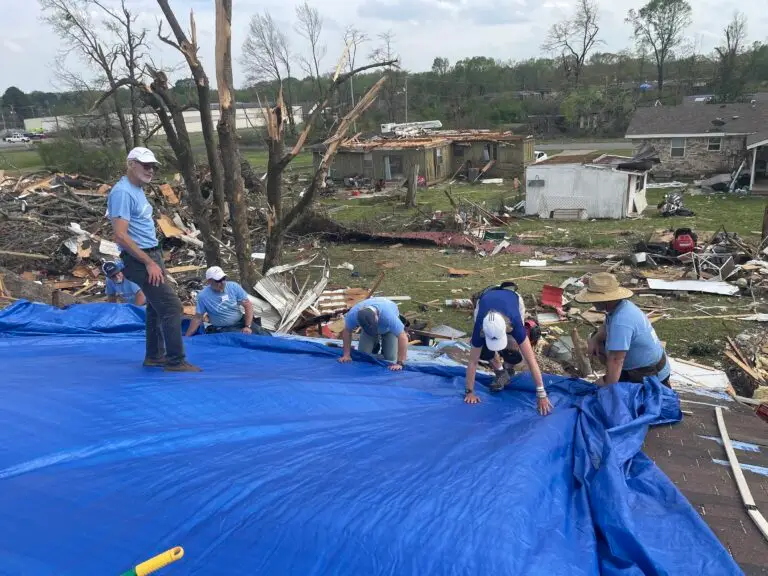
When the Storm Passes: Emotional Support for Tornado Survivors
What does real tornado recovery look like? Hope Force shares a story from Arkansas about emotional and spiritual care for

What Emergency Water Supplies Should Go in Your Go Bag?
Emergency Go Bag Water Considerations When disaster strikes and you have to leave home quickly, your go bag becomes your

Emergency Water Tips for Families with Special Needs Children
Water Planning For Families With Special Needs Planning emergency water for a child with special needs brings unique challenges—and opportunities

Water Planning for Large Families: What You Need to Know
Big Family Water Planning For A Disaster When disaster strikes, having a large family can make water preparedness feel overwhelming.
