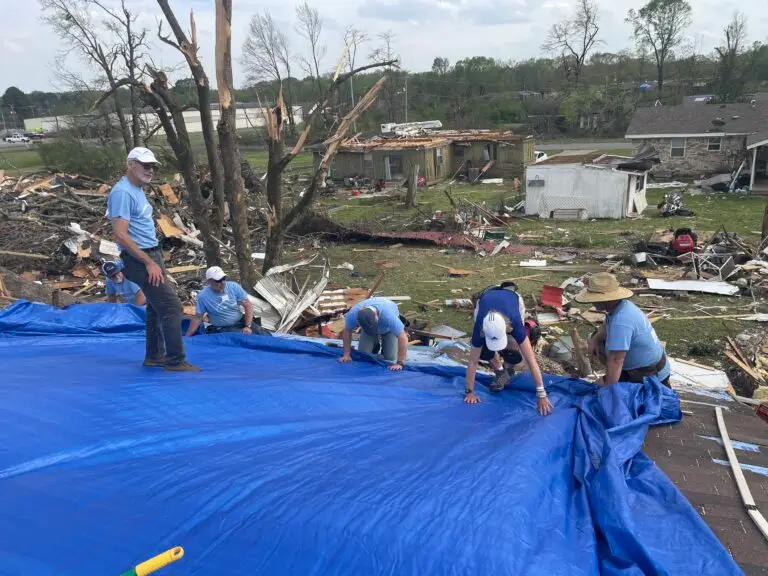
When a disaster strikes, one of the first questions we hear is, “Is Hope Force going to respond?” It’s a fair question, and the answer isn’t always simple. People often ask how disaster relief organizations decide when to respond. For us, every decision comes from conversations with trusted partners, an honest look at our capacity, and a lot of prayer as we seek God’s direction.
Here’s a look at how those decisions get made, and three recent stories that show what it looks like in real life.
How Do Disaster Relief Organizations Decide When to Respond?
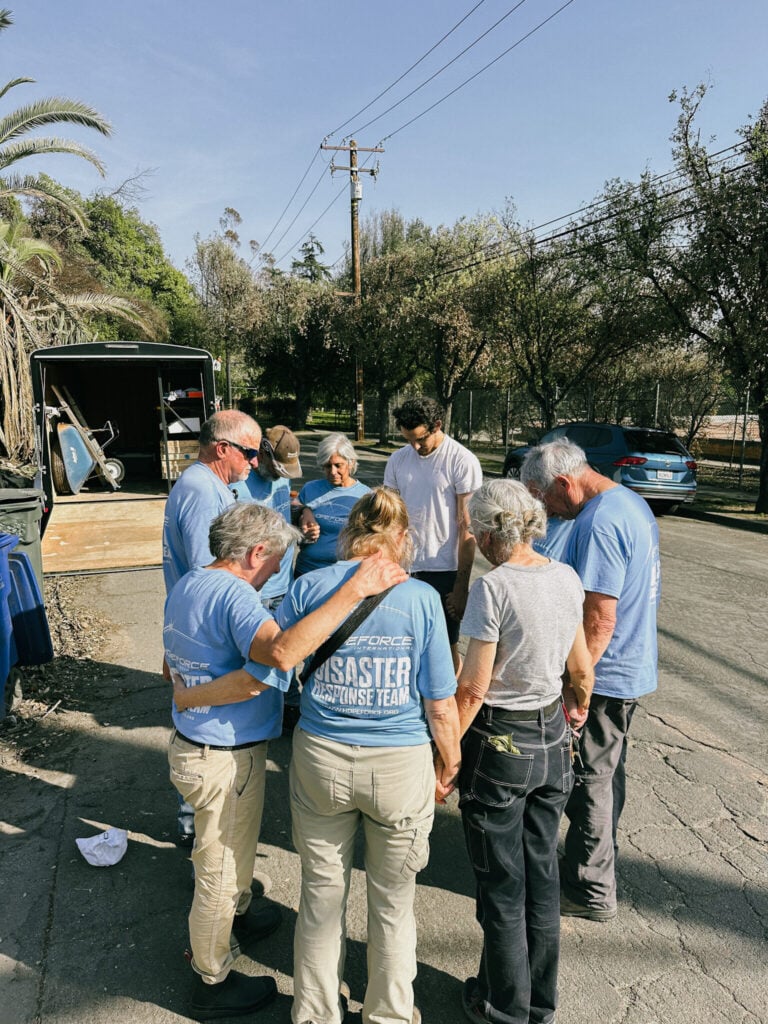
Most disaster relief organizations weigh two things: whether survivors have needs that aren’t being met, and whether they have the people and resources to meet those needs well. At Hope Force, we add a third: prayer, as we seek where God is leading us.
When we see news of a devastating flood, hurricane, or other disaster, our first instinct is to help. We know families are hurting, homes are damaged, and people don’t know where to begin. Our Reservists are often watching those same reports, wondering whether Hope Force will respond.
Sometimes it’s clear that we need to go. Other times, we spend days reaching out to people, gathering information, and praying about what role Hope Force might play. And sometimes, even when our hearts want to respond, we make the difficult decision not to deploy.
We don’t have a perfect formula for deciding whether to respond or not. But we take these decisions seriously, and we want to be faithful with the people and resources God has entrusted to us.
What We Look at Before We Deploy
News coverage is only one part of the picture. When a disaster happens, we also reach out to people we know in the affected area, connect with local churches, and talk with other disaster relief organizations. Over the years, we’ve built relationships with people who understand their communities and can help us see beyond the headlines.
Before we deploy, we ask four questions:
- Are there needs that aren’t already being met?
- Can local organizations and churches manage the recovery on their own?
- Do families need additional help saving and restoring their homes?
- Is Hope Force equipped to help right now, including having experienced leaders to guide our teams?
In major disasters like Hurricanes Katrina, Harvey, or Sandy, the damage is so widespread that we may need to move before we have all the details. With smaller or more localized disasters, we usually have time to assess the situation more carefully.
When Local Neighbors Already Have It Covered: Flooding Near Ocoee
Recently, severe flooding hit the Ocoee area near the Tennessee–Georgia border. News coverage showed extensive destruction, and when we traveled there, we confirmed that the damage was significant.
But we also learned something important. Much of the destruction involved businesses, and many of the affected homeowners were already getting help from friends, neighbors, and others in their communities.
After spending time in the area and evaluating the needs, we decided not to deploy. It wasn’t because the flooding wasn’t serious. It was because the community was already coming together, and we didn’t find a significant gap that needed Hope Force to step in.
Our goal isn’t simply to respond to disasters. It’s to go where we can make a meaningful difference.
When the Storm Changes but the Need Doesn’t: Hurricane Isaias in Pensacola
When Hurricane Isaias approached Pensacola, Florida, in 2026, we felt a clear sense that Hope Force should prepare to respond.
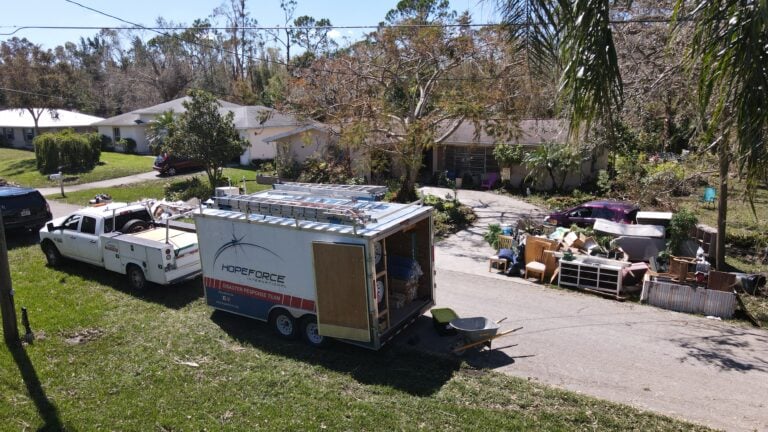
But the hurricane didn’t develop as predicted. Instead of the concentrated, catastrophic damage that had been expected, strong winds caused damage across a much broader area. Large trees fell onto homes, limbs damaged roofs, and families were left facing repairs they hadn’t planned for.
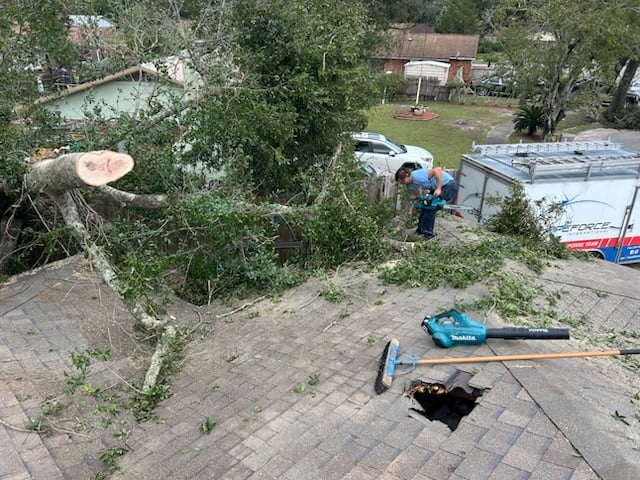
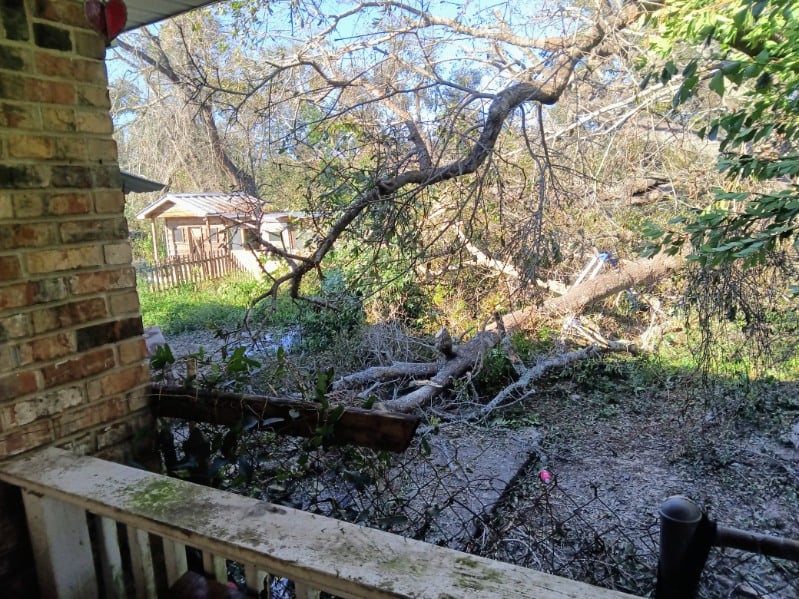
Because the hurricane was a Category 2 and wasn’t as severe as first feared, much of the media coverage moved on. Some described Pensacola as having “dodged a bullet.” But that’s not how it felt to the families whose homes were damaged.
One family we helped had several children living in the home. Our first concern was making their home safe and protecting it from further damage.
As we connected with local partners, we found there was still meaningful work for our team. Organizations with specialized chainsaw expertise handled the more dangerous tree removal, while our Reservists focused on clearing debris and making temporary roof repairs.
It wasn’t exactly the response we expected, but we realized the community still desperately needed our help. We’ve seen this before: a disaster may disappear from the news because it wasn’t as severe or dramatic as expected, but that doesn’t mean families stop struggling. Sometimes the people who need help most are the ones we aren’t hearing about.
When We Don’t Have the Capacity: Why We Stood Down in the Four Corners
More recently, we explored a possible deployment to the flooded Navajo Nation area in the Four Corners region. Some of our Reservists had served in these communities before, so we already knew something about the hardships families there were facing.
Aaron Stetson, our Training Director, traveled to the area and met with a contact from another disaster response organization to better understand the situation. After talking through what he learned, we took an honest look at our own capacity, especially the availability of experienced leaders who could oversee a deployment.
As much as we wanted to help, we decided to stand down.
That wasn’t easy. We knew the needs were real, but we also knew that launching a response we couldn’t adequately support wasn’t the right thing to do.
It brought to the surface something we’ve been working on at Hope Force: the need for more trained Reservists and more leaders who are prepared to guide teams in the field. We want to be able to say yes when opportunities like this come up. That means investing now in the people, training, and systems that make future responses possible.
How Faith Shapes Our Disaster Response Decisions
Where does faith come into all of this? It’s woven throughout the entire process.
Hope Force has always been a ministry that seeks to follow the leading of the Holy Spirit. We believe God cares about the people affected by disaster, and we want to be attentive to where He is directing us.
That doesn’t mean we always hear a clear answer or know exactly what comes next. Sometimes doors open through relationships we didn’t expect. Sometimes we feel prompted to explore a situation before we fully understand why. And sometimes we pray, seek counsel, gather information, and still have to make the best decision we can with what we know. We believe God works through that process, too.
We don’t see a conflict between being Spirit-led and being well prepared. Both matter. We want to train our Reservists well, develop capable leaders, build strong partnerships, and steward our resources carefully. And we want to stay sensitive to God’s direction in how we use them.
There will always be more needs than Hope Force can meet. That’s a hard reality when you care deeply about people who are hurting. But our responsibility isn’t to be everywhere. It’s to be faithful with what God has given us and attentive to where He is leading.
How You Can Help Disaster Survivors Before the Next Disaster
Readiness to deploy begins long before a disaster strikes, and there are several ways you can be part of it here at Hope Force:
- Get trained. Become a Hope Force Reservist and build the skills and confidence to serve with compassion and care.
- Stay connected. If you have family, friends, or church connections in an affected area, we’d love to hear what you’re learning. Firsthand connections can be incredibly helpful.
- Pray with us. Pray for affected families, for the organizations already serving, and for wisdom as we make deployment decisions.
- Help us stay equipped and ready. Your donation helps us train volunteers, develop leaders, maintain equipment, and prepare for future responses.
- Invite others. We need more people willing to serve and more leaders ready to guide teams in the field.
Ready When the Next Disaster Comes
We wanted to share these stories because deployment decisions aren’t always as straightforward as they look from the outside. Sometimes we have a clear sense of direction. Sometimes we take one step at a time, trusting God to show us what’s next. And sometimes we have to acknowledge our limits and make the hard decision not to go.
Through it all, our desire is the same: to serve people well, honor God in how we make decisions, and stay ready for the opportunities He places before us.
We can’t do that without you. Every Reservist who gets trained, every person willing to grow into a leadership role, every prayer, and every gift helps Hope Force prepare for the next disaster.
We don’t know where the next disaster will be or what needs we’ll find. But we do know people will need help, and we want to be ready when God opens the door. If you’ve been thinking about becoming a Reservist, we’d love for you to take that next step.
Frequently Asked Questions
Why don’t disaster relief organizations respond to every disaster?
Every organization has limits on trained volunteers, experienced leaders, and funding. Responsible groups go where needs aren’t already being met and where they can help well, so survivors get the right help instead of duplicated help.
Should I travel to a disaster area to help on my own?
It’s better not to. FEMA asks volunteers not to self-deploy, because trusted organizations on the ground know where volunteers are needed and can keep them safe. Connecting with an organization before a disaster means you’ll be trained and ready when help is requested.
How can I volunteer for Christian disaster relief?
Start by getting trained before the next disaster. Hope Force trains everyday people as Reservists to help save and restore homes and to offer Emotional and Spiritual Care, so they’re prepared to serve when a response is confirmed.